





Real-time strategy games typically abstract resource production into simplified nodes: a lumber camp generates wood, a mine produces iron, and efficiency scales through upgrades. Manor Lords disrupts this formula by grounding its economy in physical proximity and labor logistics. Resources are not merely generated—they are transported, stored, processed, and consumed through spatially coherent systems.
Rather than treating the map as a passive backdrop, Manor Lords forces players to consider terrain, walking distance, seasonal yield, and infrastructure placement as inseparable variables. This article examines how proximity-based realism reshapes strategic thinking, turning medieval settlement planning into an exercise in logistical geography.
1. The First Settlement and Labor Visibility
At the beginning, a handful of families represent the entire workforce.
Each villager performs visible tasks: carrying logs, harvesting crops, transporting goods.
This transparency establishes labor as finite and embodied. Production speed is not an abstract statistic but a function of physical movement.
2. Distance as Economic Variable
Buildings must be positioned near resource sources.
A logging camp placed too far from forests reduces throughput dramatically.
Travel-time cost
Every additional meter increases labor overhead.
Placement decisions directly affect efficiency.
3. Storage and Distribution Networks
Granaries and storehouses are not optional decorations.
They determine how quickly goods circulate within the settlement.
Localized supply chains
Poorly placed storage creates bottlenecks.
Distribution becomes as critical as extraction.
4. Seasonal Agriculture and Yield Volatility
Crop output depends on fertility and seasonal timing.
Fields must rotate, and harvest windows are limited.
Agricultural realism
Failure to account for climate reduces long-term sustainability.
Food security is dynamic, not static.
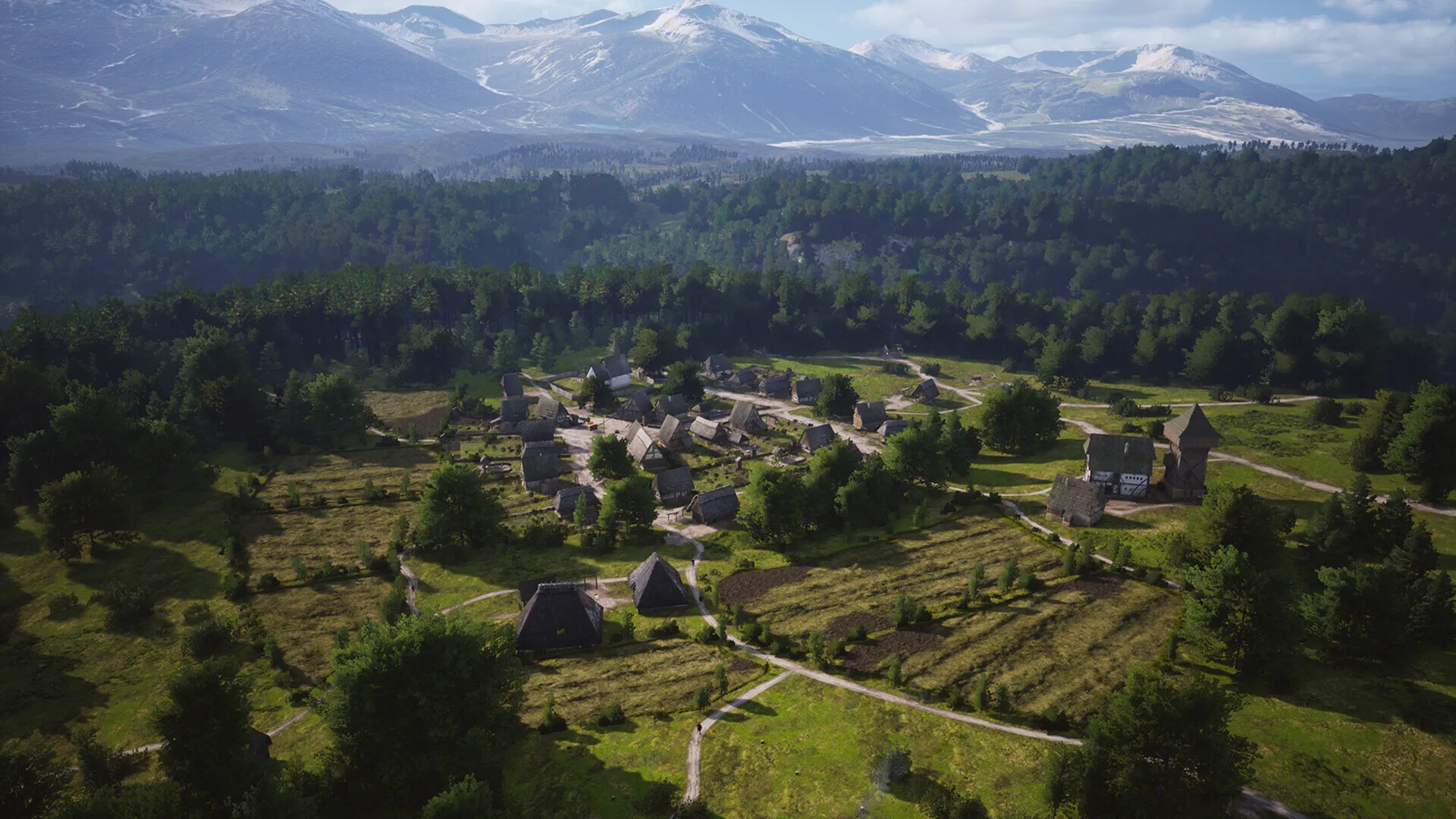
5. Housing Density and Workforce Allocation
Residential burgage plots influence labor availability and tax revenue.
Expansion requires balancing housing with employment opportunities.
Demographic equilibrium
Overbuilding strains food and goods supply.
Population growth demands proportional infrastructure.
6. Trade Routes and Regional Specialization
Regions possess distinct resource advantages.
Importing and exporting become necessary for balanced growth.
Inter-regional dependency
Economic success relies on identifying comparative advantage.
Trade supplements, but does not replace, local production.
7. Construction as Time-Dependent Process
Building structures requires material delivery and worker assignment.
Nothing appears instantly.
Temporal investment
Development unfolds gradually.
Expansion must be staged strategically.
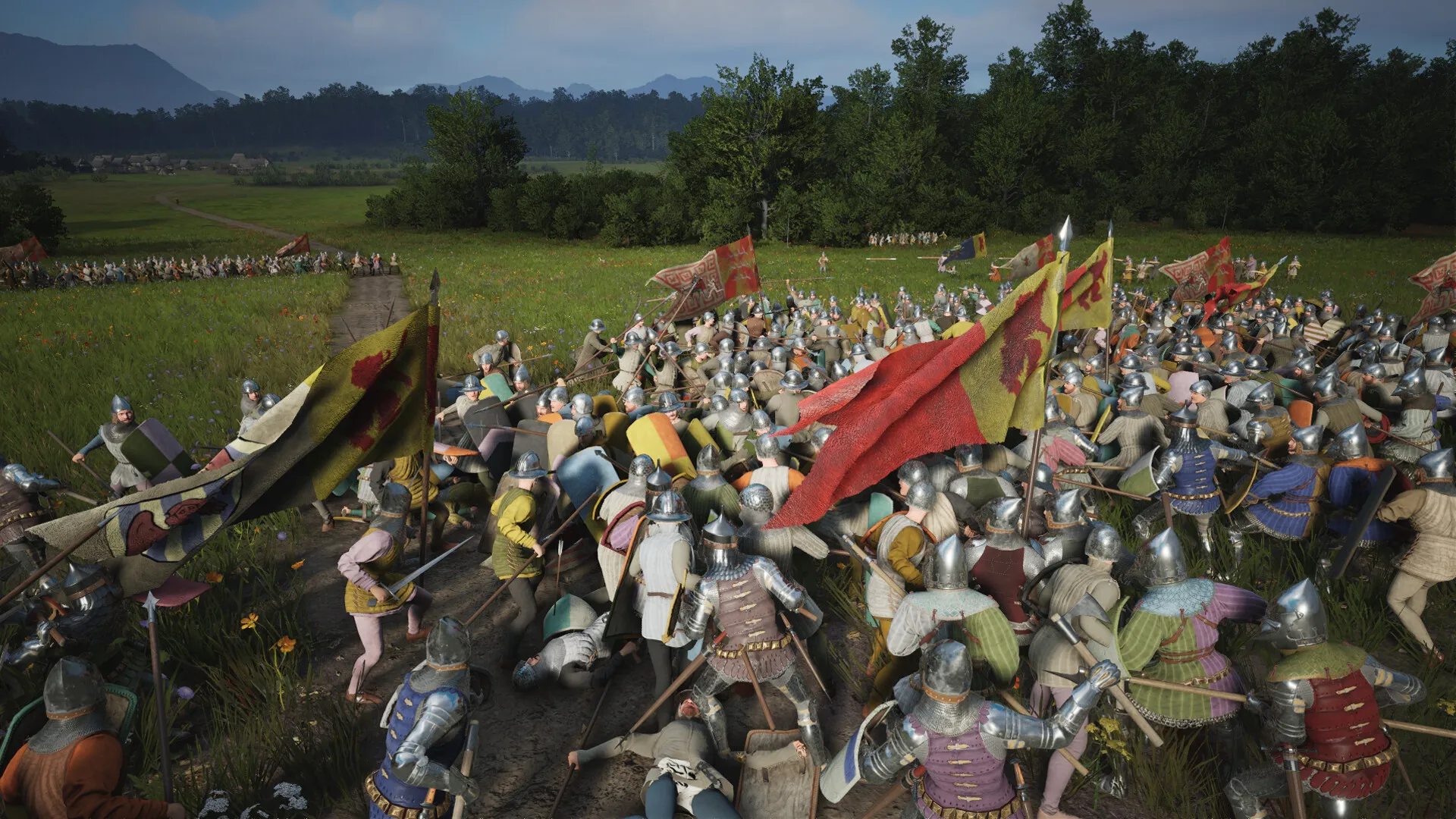
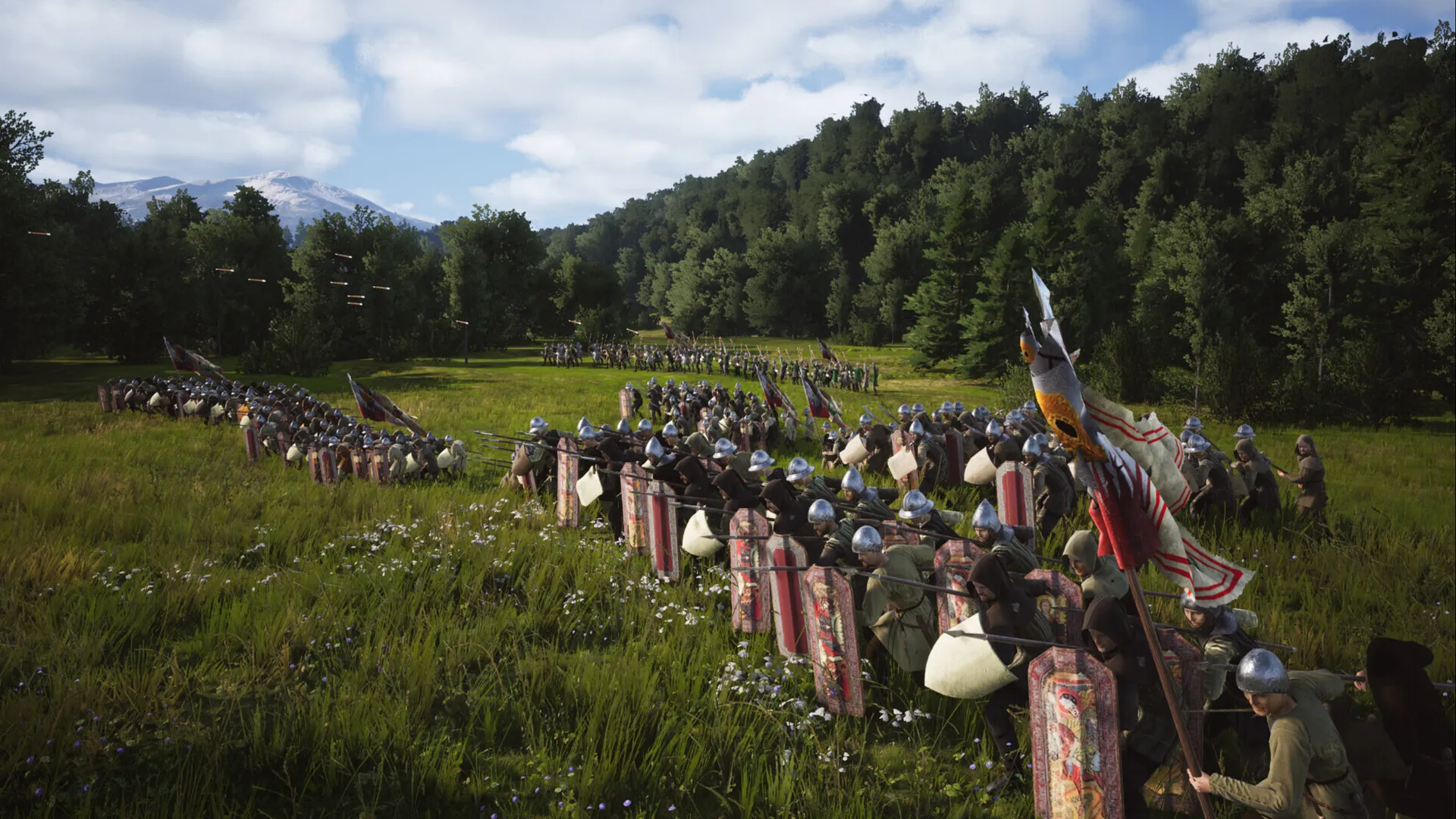
8. Military Mobilization and Economic Disruption
Raising militias pulls workers away from production.
Campaigns interrupt farming and crafting cycles.
Opportunity cost warfare
Military readiness competes directly with economic stability.
Conflict carries systemic repercussions.
9. Marketplaces and Local Demand Fulfillment
Markets distribute goods within walking range.
Residents require access to food, fuel, and clothing.
Proximity-based satisfaction
Happiness depends on physical accessibility.
Urban planning determines social stability.
10. Why Abstraction Is Intentionally Limited
Traditional RTS titles abstract supply chains to emphasize rapid decision-making.
Manor Lords intentionally slows tempo.
By preserving physical realism—travel time, labor limits, seasonal constraints—the game creates strategic depth rooted in geography. Success depends not on rapid clicking, but on coherent spatial design.
Conclusion
Manor Lords redefines medieval strategy by embedding proximity and physical labor into its economic foundation. Every decision—where to place a granary, how to rotate crops, when to mobilize troops—carries spatial and temporal implications. The settlement is not a collection of buildings but a living system constrained by geography and manpower.
By limiting abstraction, the game compels players to think like regional planners rather than battlefield tacticians. Efficiency arises from thoughtful placement and proportional growth, not mechanical speed. In doing so, Manor Lords transforms strategy into an exercise in medieval logistical realism, where proximity governs prosperity.