



Dress-up systems in games traditionally function as aesthetic overlays. Players change outfits for visual preference, occasional stat bonuses, or event-based scoring challenges. Infinity Nikki redefines this paradigm by embedding fashion directly into its mechanical architecture. Clothing is not decorative—it is infrastructural.
Set within an open-world framework, the game integrates outfit abilities into traversal, environmental interaction, and puzzle-solving. This structural integration transforms fashion from a secondary feature into the primary grammar of progression. This article examines how Infinity Nikki constructs a world where clothing dictates mobility, access, and systemic advancement.
1. From Styling Scores to Ability Systems
Earlier entries in the franchise centered on competitive styling battles.
Infinity Nikki retains aesthetic evaluation but expands clothing into functional domains.
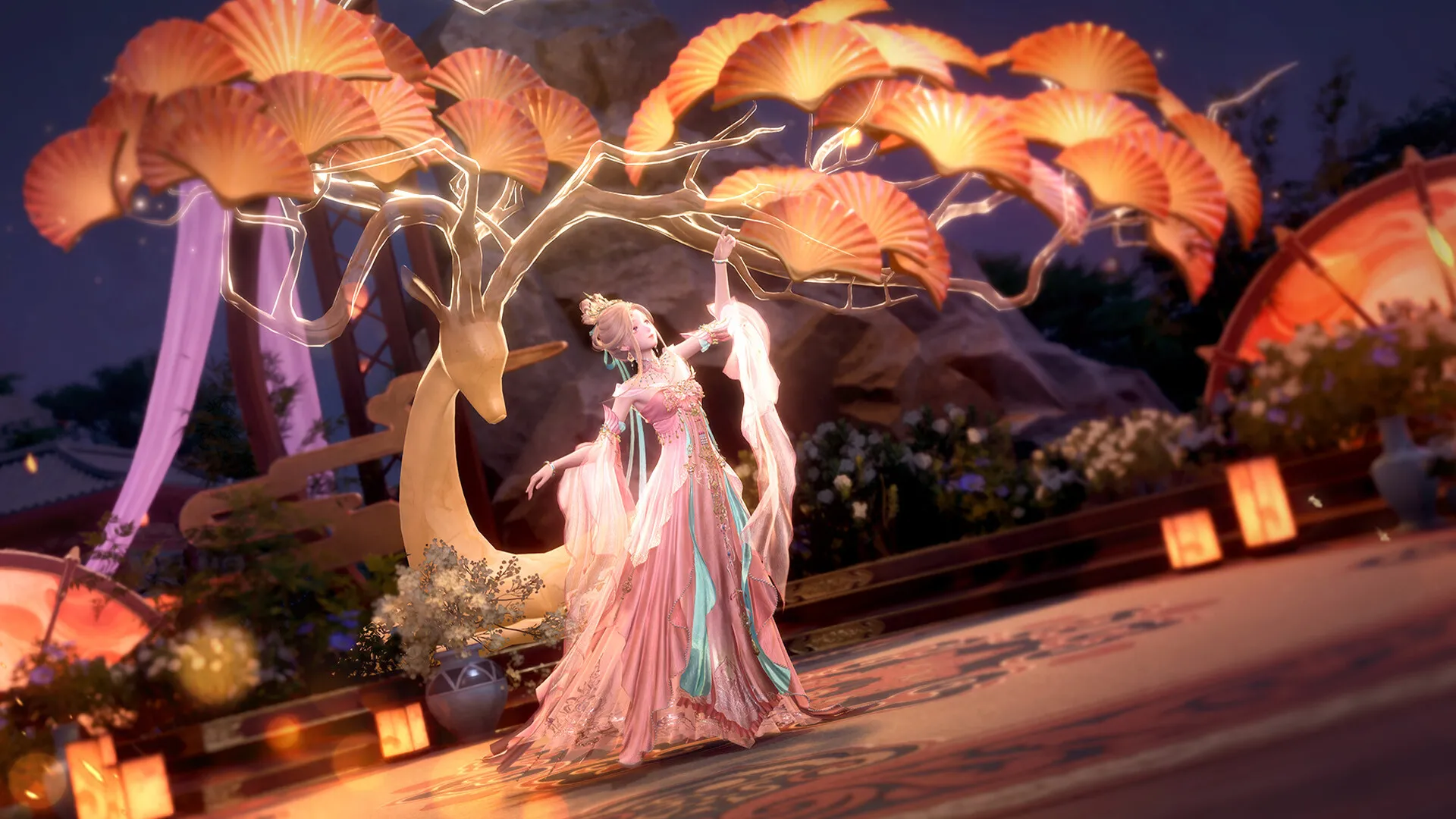
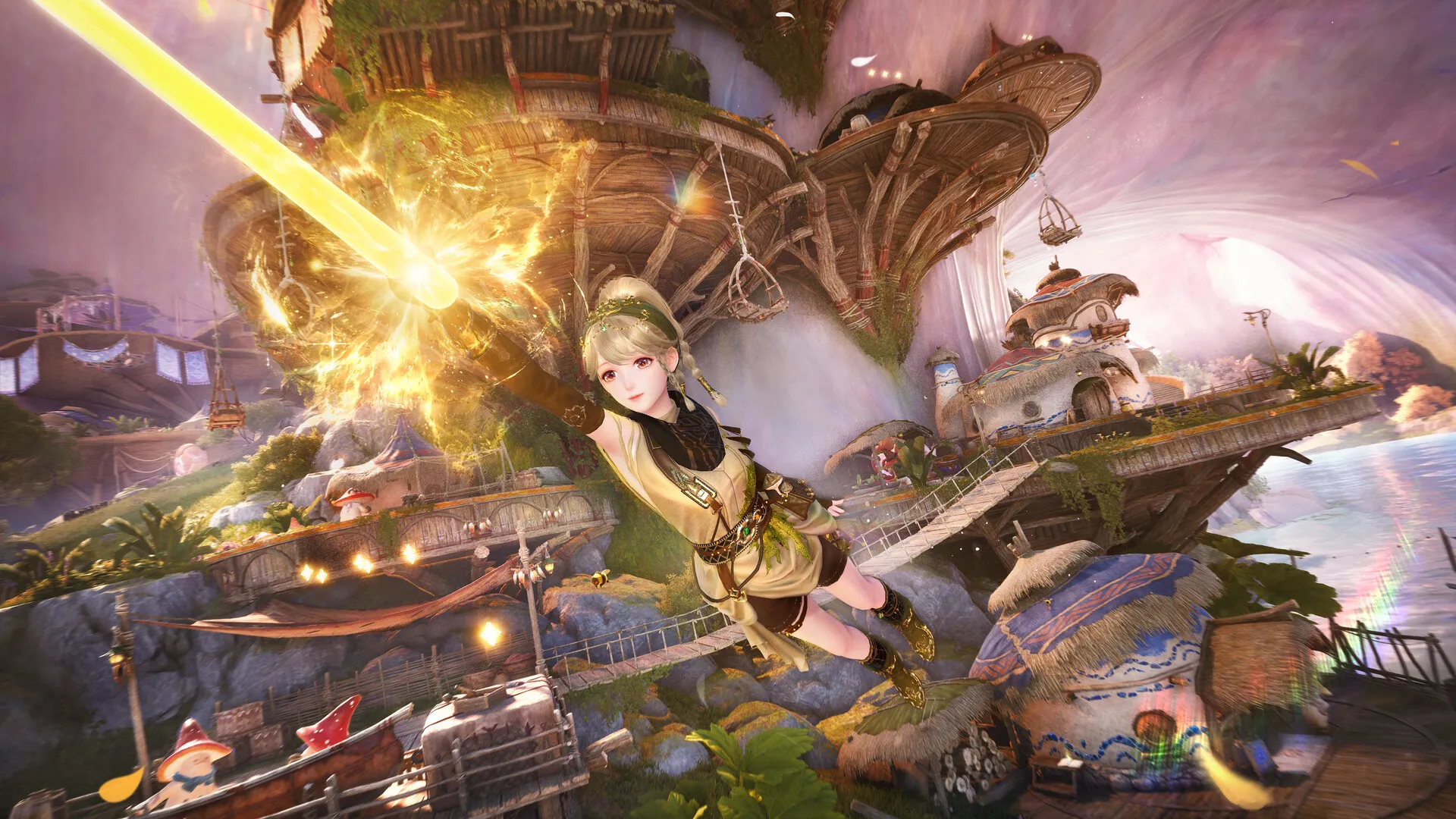
Outfits are now tied to abilities—gliding, shrinking, purification, and environmental interaction. This shift reframes fashion as capability rather than comparison.
2. Ability-Gated Exploration
The open world is segmented through ability requirements.
Certain areas require floating across gaps, cleansing corrupted zones, or interacting with magical constructs.
Wardrobe as keyring
Outfits function as access permissions.
Exploration becomes a matter of preparation rather than raw character level.
3. Traversal Mechanics Built Around Garments
Movement options are not universal.
Switching into specific attire activates distinct locomotion behaviors.
Embodied mobility
Glide dresses alter descent physics.
Miniaturization outfits reshape scale relationships with the environment.
Traversal is modular and clothing-dependent.
4. Instant Outfit Switching as System Fluidity
The game allows rapid wardrobe changes.
This prevents friction while preserving ability diversity.
Seamless transformation
Fluid switching ensures fashion remains central without disrupting pacing.
The player thinks in combinations rather than permanence.
5. Environmental Puzzle Design Through Styling Logic
Puzzles are structured around outfit synergy.
One garment might reveal hidden pathways, another may activate dormant mechanisms.
Contextual capability
Problem-solving depends on recognizing situational fashion utility.
The environment communicates in sartorial cues.
6. Combat and Purification Through Attire
Combat scenarios integrate clothing-based abilities.
Purification mechanics often require specific magical ensembles.
Non-violent framing
Even confrontation reflects elegance rather than aggression.
Clothing dictates engagement style.
7. Resource Economy and Crafting
Outfit crafting requires materials gathered across regions.
Rare fabrics, magical essences, and environmental components feed into garment production.
Materialized identity
Progression depends on expanding wardrobe diversity.
Collection becomes empowerment.
8. Visual Cohesion Between Theme and Mechanic
Infinity Nikki maintains strong aesthetic identity.
Soft palettes and fantasy textures align with mechanical elegance.
Mechanical-aesthetic symmetry
The visual theme supports the systemic role of fashion.
Design coherence prevents dissonance between style and function.
9. Social Systems and Fashion Expression
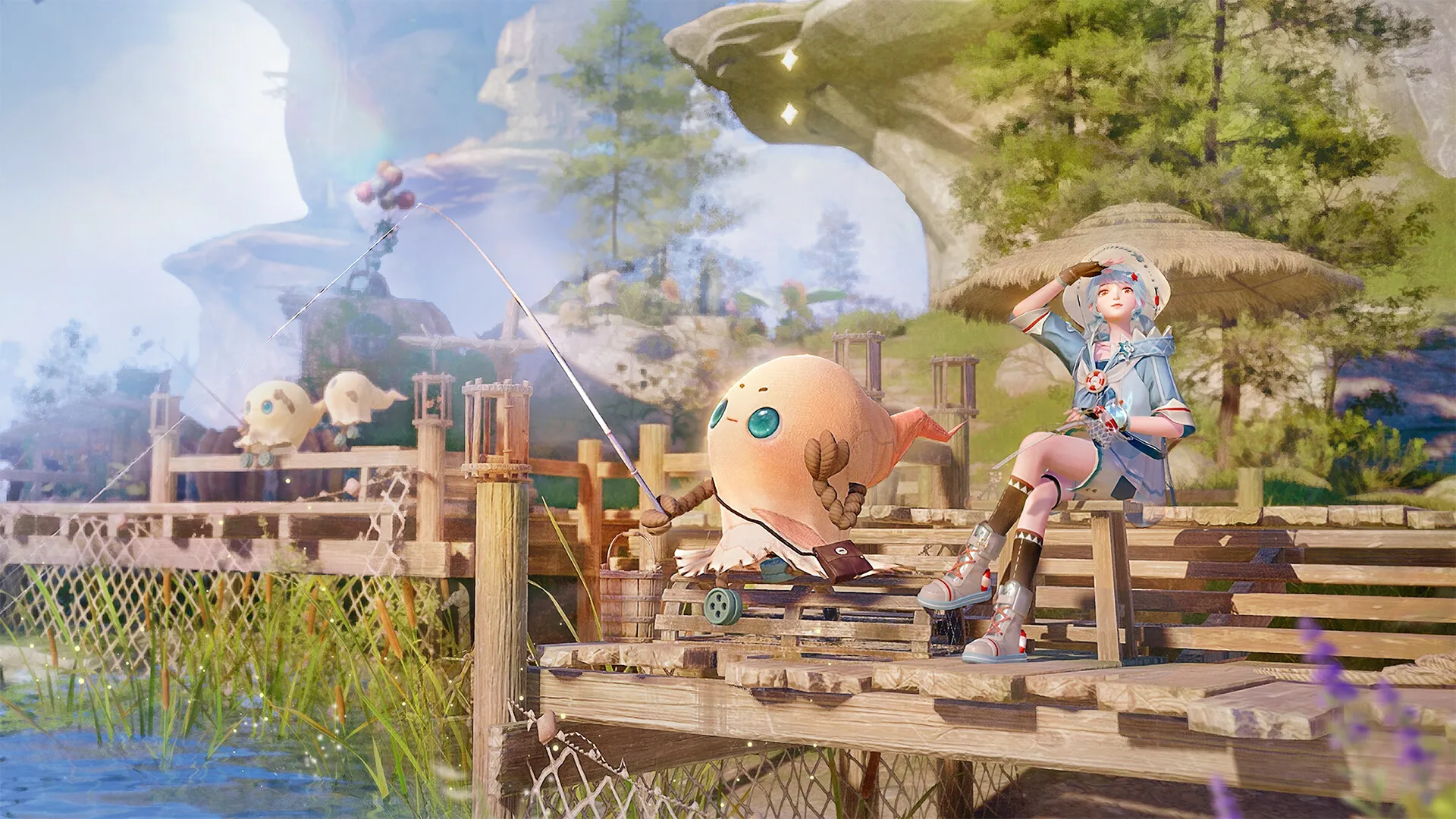
NPC interactions often reference attire.
Certain events or challenges require themed outfits.
Expressive progression
Fashion remains communicative even when mechanically functional.
Identity expression and system utility coexist.
10. Why Fashion Must Remain Structural
If outfits were reduced to cosmetic overlays, the open world would lose cohesion.
Infinity Nikki succeeds because every garment contributes to mechanical literacy.
The player reads the environment through wardrobe potential. Fashion becomes language, not decoration.
Conclusion
Infinity Nikki demonstrates that customization systems can transcend aesthetics when integrated holistically into world design. By tying traversal, puzzle-solving, combat, and exploration directly to clothing abilities, the game elevates fashion into its primary progression framework. Wardrobe expansion equals mechanical expansion.
This structural commitment ensures thematic and systemic harmony. Fashion is not optional flair—it is the architecture of interaction. In redefining attire as capability, Infinity Nikki transforms dress-up from surface expression into core gameplay logic.