




Tavern Keeper is a charming management and simulation hot game that puts players in charge of building, expanding, and operating a successful fantasy tavern. Combining resource management, staff organization, customer satisfaction, and strategic growth, Tavern Keeper offers a rewarding experience for players who enjoy creativity and business simulation. From serving travelers to upgrading facilities, every decision influences the future of your establishment.
If you're wondering how to attract more customers, manage resources efficiently, and build the ultimate tavern, this complete guide will help you master Tavern Keeper from beginner to expert level.
1. What is Tavern Keeper?
Tavern Keeper is a fantasy tavern management simulation where players oversee daily operations while expanding their business. As an increasingly popular hot game, it blends strategy, creativity, and economic management.
Understanding how to balance growth and efficiency is crucial for long-term success in Tavern Keeper.
Core Features
- Tavern management
- Staff hiring and organization
- Resource and inventory systems
- Building upgrades
Why It Stands Out
The combination of fantasy themes and business management makes Tavern Keeper a unique hot game.
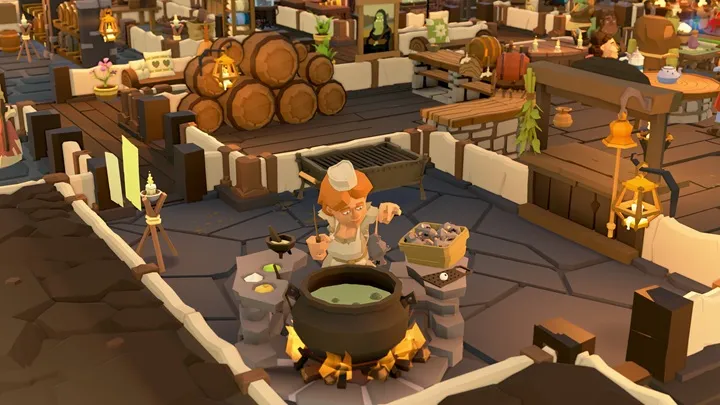
2. Why Tavern Keeper is a Hot Game
The popularity of Tavern Keeper comes from its satisfying progression and creative freedom. Players enjoy transforming a small tavern into a thriving social hub.
Many players search for how to maximize profits and improve efficiency, helping it remain a growing hot game.
Reasons for Popularity
- Relaxing gameplay
- Strategic depth
- Creative customization
Community Appeal
Fans enjoy sharing tavern designs and management strategies in Tavern Keeper.
3. Basic Gameplay Mechanics
To succeed in Tavern Keeper, players must understand the fundamentals of managing staff, serving customers, and maintaining supplies.
Learning how to prioritize essential tasks will greatly improve your performance in this engaging hot game.
Essential Mechanics
- Customer service
- Inventory management
- Staff assignments
- Facility maintenance
Common Mistakes
New players often expand too quickly in Tavern Keeper without preparing sufficient resources.
4. Building Your First Tavern
Your early decisions in Tavern Keeper can significantly impact future growth. Creating an efficient layout is one of the first steps toward success.
Knowing how to organize your tavern properly will improve customer satisfaction in this rewarding hot game.
Early Priorities
- Basic seating areas
- Food preparation stations
- Storage facilities
- Staff workspaces
Layout Tips
An organized tavern improves efficiency in Tavern Keeper.
5. Beginner How To Tips
New players should focus on stability before pursuing aggressive expansion. A well-managed small tavern is often better than an inefficient large one.
Applying these how to strategies can help establish a strong foundation in this management-focused hot game.
Beginner Tips
- Monitor inventory regularly
- Hire staff carefully
- Upgrade gradually
- Focus on customer satisfaction
Building Confidence
Experience is the best teacher in Tavern Keeper.
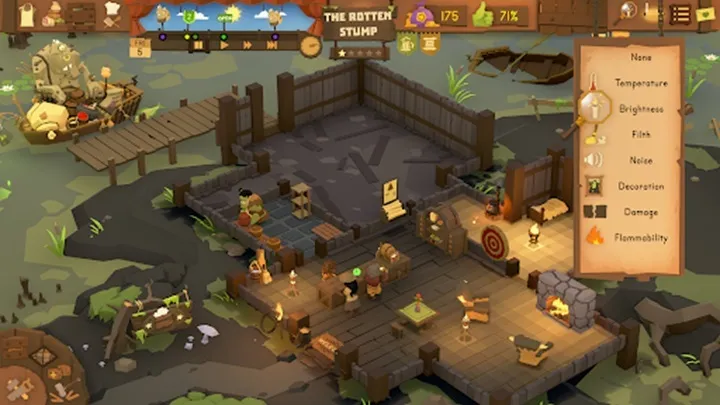
6. Managing Staff Effectively
Employees are essential to the success of Tavern Keeper. Efficient staff management directly impacts productivity and profits.
Understanding how to assign tasks efficiently will improve operations in this strategic hot game.
Staff Management Strategies
- Match roles to strengths
- Avoid overstaffing
- Monitor workload distribution
Workforce Optimization
Happy employees contribute to success in Tavern Keeper.
7. Advanced Resource Management
As your tavern grows, resource management becomes increasingly important. Running out of supplies can negatively impact customers and profits.
Mastering how to balance purchasing and consumption is key in this challenging hot game.
Pro Techniques
- Forecast demand
- Maintain emergency reserves
- Optimize supply chains
Mastery Level
Advanced planning separates experts from beginners in Tavern Keeper.
8. Expanding and Upgrading Your Tavern
Expansion allows players to attract more guests and unlock new opportunities. However, growth must be carefully managed.
Knowing how to upgrade strategically will maximize profits in this rewarding hot game.
Upgrade Priorities
- Seating capacity
- Service speed
- Storage improvements
- Decorative enhancements
Expansion Insight
Balanced growth is crucial in Tavern Keeper.
9. Customer Satisfaction and Reputation
Reputation is one of the most valuable assets in Tavern Keeper. Satisfied customers help attract more visitors and increase revenue.
Learning how to exceed customer expectations can elevate your tavern above the competition in this immersive hot game.
Customer Service Tips
- Minimize wait times
- Maintain cleanliness
- Offer quality products
- Respond to demand changes
Reputation Management
A strong reputation fuels long-term success in Tavern Keeper.
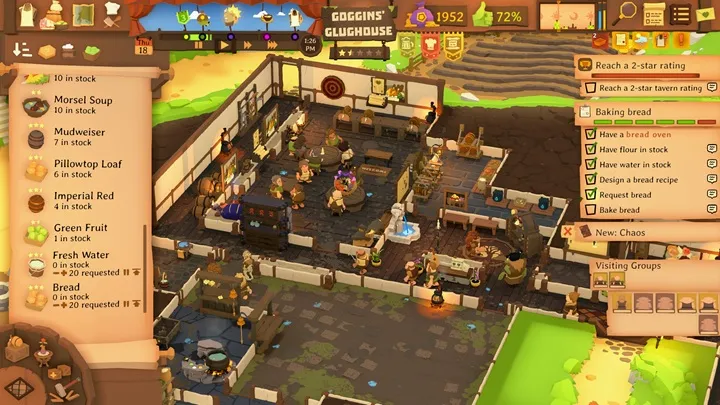
10. Why Tavern Keeper Remains a Hot Game
The long-term appeal of Tavern Keeper comes from its combination of strategy, creativity, and progression. Players continuously experiment with new layouts, management styles, and expansion plans.
Many continue searching for how to optimize operations and build the perfect establishment, ensuring Tavern Keeper remains a beloved hot game.
Key Strengths
- Deep management systems
- Creative customization
- Relaxing yet strategic gameplay
Future Potential
Tavern Keeper has strong potential to remain popular among simulation enthusiasts.
Conclusion
In conclusion, Tavern Keeper is more than just a hot game—it is a rewarding management experience that challenges players to think strategically while expressing creativity. By learning how to manage resources, optimize staff performance, and expand efficiently, you can transform a modest tavern into a thriving destination.
Stay patient, plan carefully, and enjoy the journey of building the ultimate tavern in Tavern Keeper.